
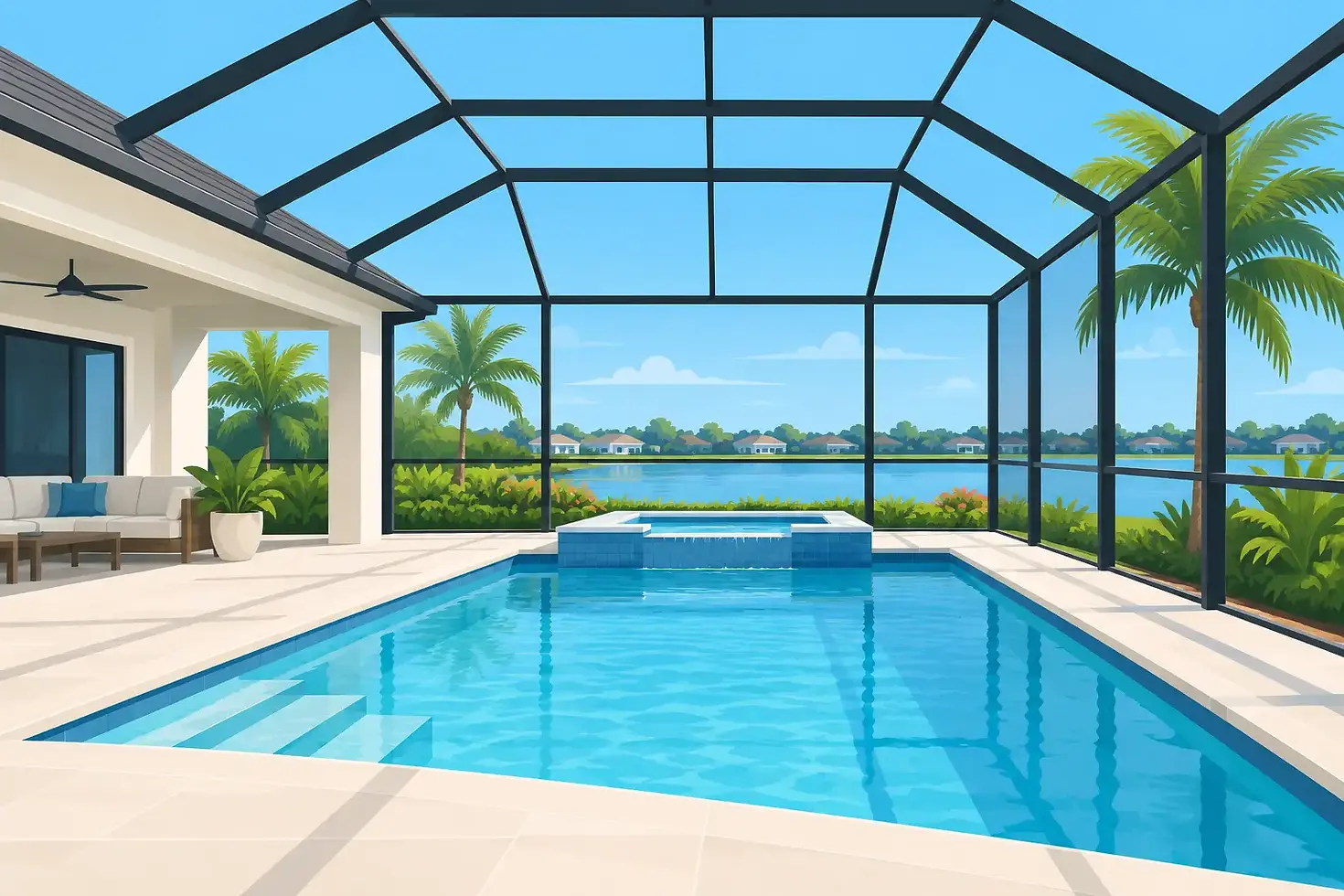
Custom Pool Screen Enclosure for Florida Homes

A pool should feel like part of your home, not another area that needs to be cleaned before anyone can enjoy it. A custom pool screen enclosure helps keep mosquitoes, lovebugs, windblown leaves, and other debris out of the pool area while giving your family a more comfortable place to relax, play, and entertain.
For Central Florida homeowners, the right enclosure is not a one-size-fits-all addition. Your pool shape, patio layout, roofline, sun exposure, and the way you use your backyard all matter. A carefully planned enclosure provides protection without making the outdoor area feel closed in.
Why a Custom Pool Screen Enclosure Makes a Difference
Florida weather makes outdoor living possible through much of the year, but it also creates a few familiar frustrations. Afternoon storms can blow leaves and branches into the pool. Mosquitoes can make evenings on the patio short-lived. Strong sun can turn an uncovered deck into a space that is difficult to use during the hottest part of the day.
A custom enclosure addresses those everyday issues in a way that fits your home. Rather than settling for a standard footprint or a structure that crowds the pool deck, you can build around the space you already have. The result is a protected outdoor area that still feels open, bright, and connected to the backyard.
The benefits are practical. You may spend less time skimming debris from the water, sweeping the deck, and moving furniture inside before storms. More importantly, the pool area becomes a place you can use more often. Families can let children play outside with fewer insects around, and homeowners can enjoy a quiet evening by the water without constantly swatting bugs away.
Start With How You Use Your Pool Area
The best enclosure design begins with daily life, not just measurements. Some homeowners want a clean, protected pool deck for weekend gatherings. Others want room for lounge chairs, a dining set, or a shaded sitting area. Retirees may prioritize a comfortable place for morning coffee, while families may need clear walkways and plenty of space around the pool.
Before choosing a design, consider where people gather, which doors need easy access, and where the afternoon sun hits hardest. Also think about maintenance needs. A narrow area behind the pool, for example, may need enough clearance for cleaning and service access.
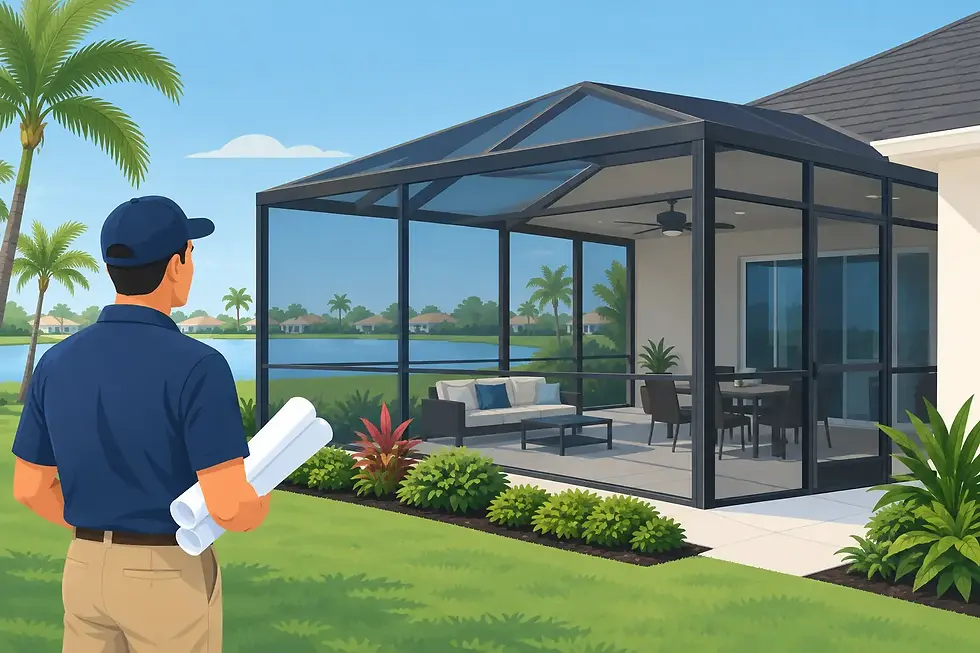
A contractor should walk the space with you and ask useful questions before recommending a layout. A good design protects the area without blocking traffic patterns, crowding existing landscaping, or creating awkward corners that are hard to maintain.
Match the Enclosure to the Pool and Patio
A rectangular pool may work well with a straightforward enclosure, but curved pools, angled patios, outdoor kitchens, and attached lanais often call for a more tailored approach. Custom-fit construction allows the enclosure to follow the actual shape of the deck instead of forcing the space into a standard design.
This matters visually as well as functionally. When posts, rooflines, doors, and screen panels are positioned with care, the enclosure feels like it belongs with the home. It should frame the backyard view, not compete with it.
Plan for Shade Without Losing the Open-Air Feel
Screening provides insect and debris protection, but it does not create the same level of shade as a solid patio cover. Homeowners who need stronger relief from direct sun may benefit from combining screened areas with a covered section over seating, grilling, or dining space.
The right balance depends on your yard. Too much solid coverage can reduce natural light, while too little can leave the deck uncomfortable during peak afternoon heat. A thoughtful plan can give you both a bright pool area and a shaded place to cool down.
Materials and Details That Affect Long-Term Comfort
An enclosure is only as dependable as the materials and workmanship behind it. Florida heat, heavy rain, humidity, and seasonal storms put outdoor structures to work year after year. Durable framing, properly fitted screening, secure doors, and clean connections all contribute to an enclosure that looks good and performs well.
Screen choice deserves attention, especially if your main concern is insects, privacy, or keeping small debris out. Standard screening works well for many pool areas, while tighter mesh options may provide added protection from smaller insects. There can be a trade-off: finer screening may slightly reduce airflow or visibility compared with a more open mesh. The best choice depends on what bothers you most in your outdoor space.
Door placement matters too. A convenient, well-built access door makes it easier to move pool equipment, patio furniture, and cleaning supplies in and out. It should also close securely and fit naturally into the way your family enters the backyard.
New Build or Repair: Know When Each Makes Sense
Not every pool enclosure needs to be replaced. A torn panel, damaged screen door, or a few worn sections can often be repaired quickly and affordably. Timely repair helps restore bug protection and prevents a small issue from making the entire space less enjoyable.
A full replacement or new custom build may be the better investment when the existing structure has widespread screen damage, aging materials, visible wear, or a layout that no longer suits the property. Homeowners also choose new enclosures when they are updating the pool deck, adding a patio cover, or expanding the usable outdoor area.
The deciding factor is usually the condition of the frame and the overall purpose of the space. If the structure is sound and the issue is limited, repair may be enough. If you are repeatedly fixing sections or wishing the enclosure offered more room, shade, or better access, it may be time to discuss a more complete solution.
What to Expect From a Professional Installation
A well-managed enclosure project should feel clear from the first conversation. The contractor should inspect the site, discuss your goals, explain the available options in plain language, and provide a straightforward estimate. You should understand what is being built, how the layout will work, and what the project timeline may look like.
Permitting and site requirements can vary by community, property layout, and project scope. That is one reason local experience matters. A contractor familiar with Central Florida homes can help identify practical considerations before work begins, rather than leaving surprises for later.
During installation, attention to detail shows in the finished structure. Straight lines, properly tensioned screens, secure framing, clean door operation, and a tidy work area all make a difference. The finished enclosure should feel solid, look clean, and give you confidence that it was built for regular use.
Choose an Enclosure Contractor Who Listens
Price matters, but it should not be the only consideration. The lowest estimate may leave out details that affect the finished look, durability, or comfort of the space. Ask whether the contractor handles custom layouts, screen repair, patio covers, and related outdoor improvements. A focused specialist can often see how each part of the backyard works together.
It also helps to choose a contractor who communicates clearly. You should not have to guess what happens next, what materials are being used, or whether your concerns have been heard. At FM USA Services, each project is approached as a practical improvement to the way homeowners enjoy their outdoor space, with careful workmanship and a free, no-obligation estimate.
A custom pool enclosure is more than a barrier around the water. It is an invitation to use your backyard more often, with fewer bugs, less cleanup, and more comfort. If your pool area is ready for better protection or your current screens need attention, a professional on-site estimate is a useful first step toward a backyard that works better for you.
Comments