
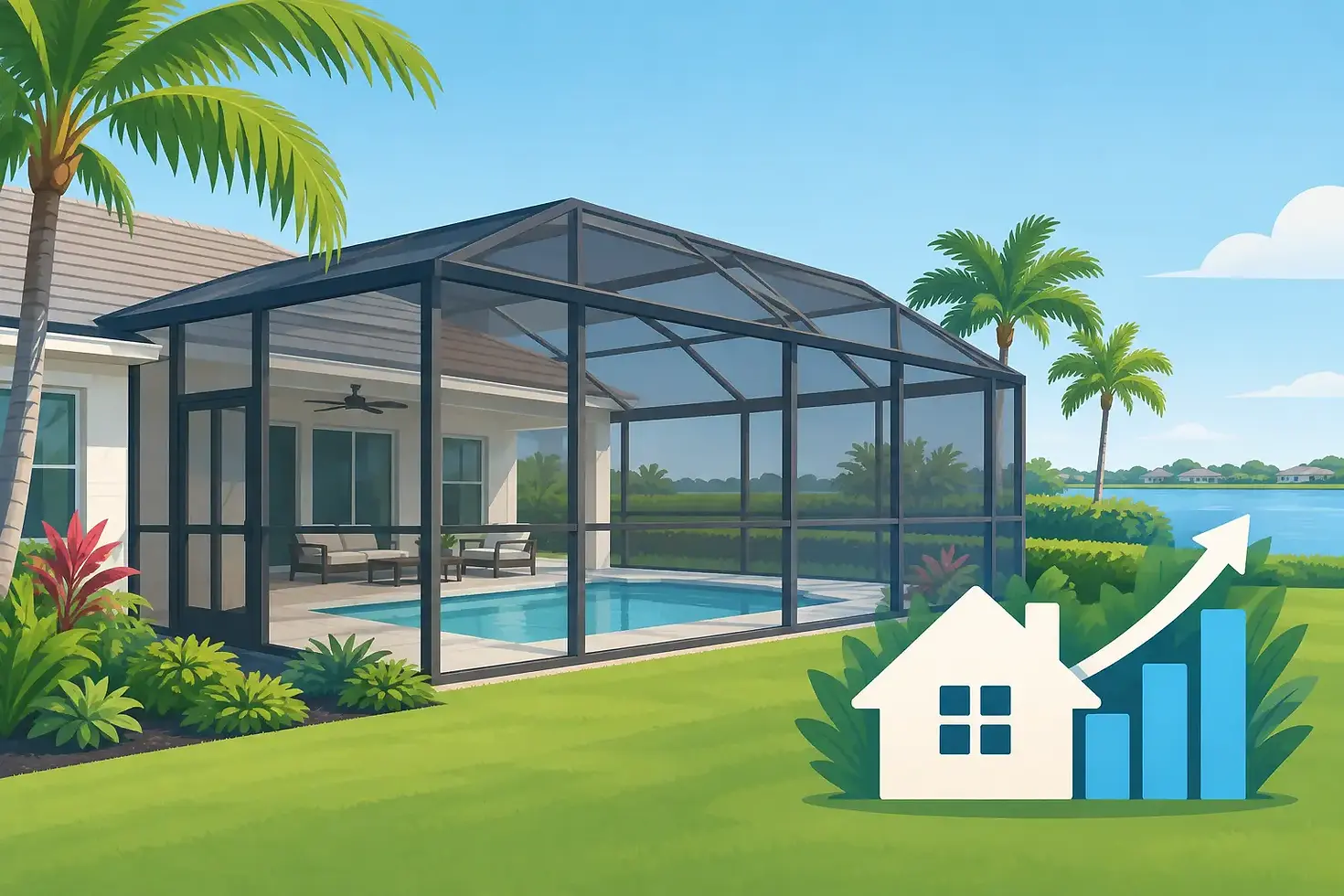
Do Screen Enclosures Add Home Value in Florida?

A torn pool screen, rust-stained frame, or patio that stays too hot to enjoy can make a backyard feel like unfinished space. So, do screen enclosures add home value? In many Central Florida homes, a well-built and well-maintained enclosure can make the property more appealing to buyers and support its overall marketability. The amount of added value depends on the enclosure’s condition, design, materials, and how naturally it fits the home.
For homeowners, the value often starts long before a future sale. A screen enclosure makes it easier to use the pool deck, patio, or lanai with fewer mosquitoes, less windblown debris, and more comfort during the warmer months. When buyers walk through a home and can immediately picture spending time outside, that improvement matters.
Why Screen Enclosures Appeal to Florida Buyers
Outdoor living is not an occasional luxury in Florida. It is part of daily life. Buyers often look for a backyard where they can relax, entertain, watch children play, or enjoy the pool without constantly dealing with insects, leaves, and harsh direct sun.
A screen enclosure helps turn an exposed outdoor area into a more usable extension of the home. It creates a clear boundary around the patio or pool while keeping the space open to fresh air and natural light. For a buyer comparing similar homes, that added comfort can be a meaningful advantage.
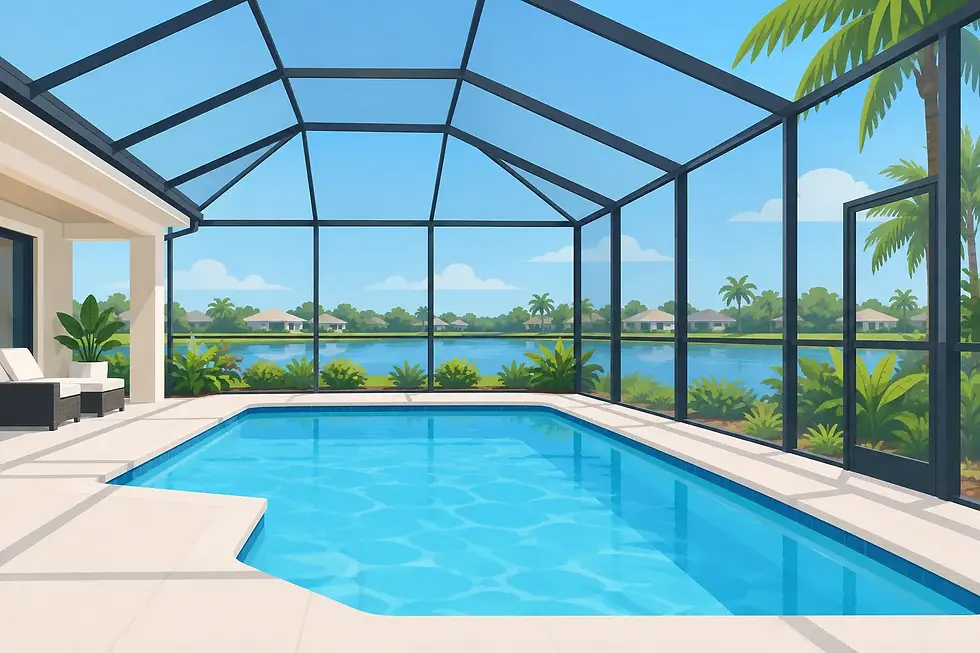
An enclosure can be especially appealing when it protects a pool area. Pool ownership comes with regular cleaning and maintenance, and screening can help reduce the leaves, insects, and debris that land in the water. It will not eliminate pool maintenance, but it can make the area easier to enjoy and simpler to keep looking presentable.
How Much Value Does a Screen Enclosure Add?
There is no single dollar amount that applies to every home. An appraiser does not automatically assign the same value to every screened patio, lanai, or pool cage. Local comparable sales, lot size, neighborhood expectations, home condition, and the quality of the work all play a role.
In practical terms, a screen enclosure may add value in two ways. First, it can contribute to the perceived value of the property by making the outdoor space more functional and attractive. Second, it can help the home stand out when buyers are deciding between similar properties.
That distinction is worth understanding. A homeowner may not always recover every dollar spent on a custom enclosure through an appraisal alone. But a clean, durable enclosure can improve buyer interest, strengthen the overall presentation of the home, and reduce objections during a showing. Those benefits can be just as important in a competitive market.
A Functional Space Carries More Weight
A small patio with a basic screen enclosure can still be valuable if it solves everyday problems. If it creates a comfortable place for morning coffee, family meals, or outdoor relaxation without mosquitoes, it has a clear purpose.
Larger pool enclosures and custom lanais may have greater appeal because they protect more usable space. However, bigger is not always better. The structure should fit the home, preserve access around the yard, and feel like a thoughtful improvement rather than an oversized addition.
Condition Makes a Major Difference
Buyers notice details quickly. Sagging screens, visible holes, bent framing, loose fasteners, or algae-stained surfaces can make an enclosure feel like a repair project. Instead of adding confidence, neglected screening may raise concerns about maintenance and cost.
On the other hand, repaired or newly rescreened panels can make the whole backyard feel cared for. Fast, reliable screen repair is often one of the simplest ways to improve curb appeal around a patio or pool before listing a home. It also helps homeowners enjoy the area now rather than waiting for a future sale.
Quality Construction Supports Confidence
A professionally built enclosure should look clean, secure, and appropriate for the home. Straight lines, secure doors, durable materials, and properly fitted screening may not sound exciting, but buyers notice when an outdoor structure feels solid and finished.
Poor workmanship can have the opposite effect. A structure that looks improvised, blocks important views, or appears to have drainage or access issues may limit its appeal. Choosing experienced local professionals for construction or restoration helps ensure the enclosure adds comfort without creating a future concern.
Features That Can Improve the Return on Your Investment
The best enclosure is one that serves the property and the people who live there. For many Central Florida homeowners, the most valuable features are practical: protection from insects, less pool debris, more shaded outdoor time, and a clean place to gather with family and friends.
A custom design can be particularly worthwhile when the patio, pool deck, roofline, or backyard layout is unusual. A made-to-fit structure often looks more intentional than a one-size-fits-all solution. It can also preserve walking space and make the transition from indoor rooms to the patio feel more natural.
Patio covers can add another layer of usefulness by providing shade from direct sun and shelter during light rain. For homes with exposed patios, that shade may be the difference between an area that is technically outdoors and one the family actually uses.
A few decisions deserve careful thought before building:
Match the enclosure style to the home’s architecture and scale.
Choose durable screening and framing suited to Florida weather and everyday use.
Keep doors, gates, and walkways convenient for pool care and yard access.
Address damaged screens and worn components promptly rather than letting small issues spread.
When a Screen Enclosure May Not Add Much Value
An enclosure is not automatically the right investment for every property. If nearby homes do not have screened outdoor spaces and buyers in the area place little value on patios or pools, the resale impact may be modest. The same can be true when an enclosure is poorly placed or takes away from a small yard.
Homeowners should also avoid treating an enclosure as a substitute for broader maintenance. A beautiful pool cage will not overcome a neglected roof, aging exterior paint, or an unmaintained landscape. It works best as part of a property that feels consistently cared for.
Budget matters as well. If the primary goal is selling soon, repairing existing damage may be a smarter choice than starting a large custom project. A professional inspection and free estimate can help clarify whether a targeted repair, rescreening, or full replacement makes the most sense for the home and timeline.
Repairing an Existing Enclosure Before Selling
If your enclosure already has good bones, repairs can deliver a noticeable improvement without changing the entire structure. Replacing torn panels, fixing damaged doors, cleaning up the frame, and addressing loose or worn areas can make an outdoor space feel ready for use again.
This is especially helpful for homeowners preparing photos and showings. Buyers may not know the difference between screen types or framing systems, but they can see whether an enclosure is clean, secure, and inviting. A repaired screen room tells them the outdoor area has been maintained.
FM USA Services helps Central Florida homeowners build, restore, and repair screened outdoor spaces with that everyday usability in mind. Whether the need is a quick repair or a custom enclosure, the goal should be the same: create a protected space that feels like a natural part of the home.
The Value Is More Than an Appraisal Number
A screen enclosure can support home value, but its greatest strength is often the lifestyle it creates. It gives homeowners more comfortable hours by the pool, more peaceful meals on the patio, and fewer interruptions from bugs and debris.
If your current enclosure is damaged or your backyard has untapped potential, focus first on what will make the space genuinely useful and durable. A well-planned improvement that you enjoy every week is more likely to appeal to the next homeowner, too.
Comments