
How Much Does a Pool Cage Cost in Florida?

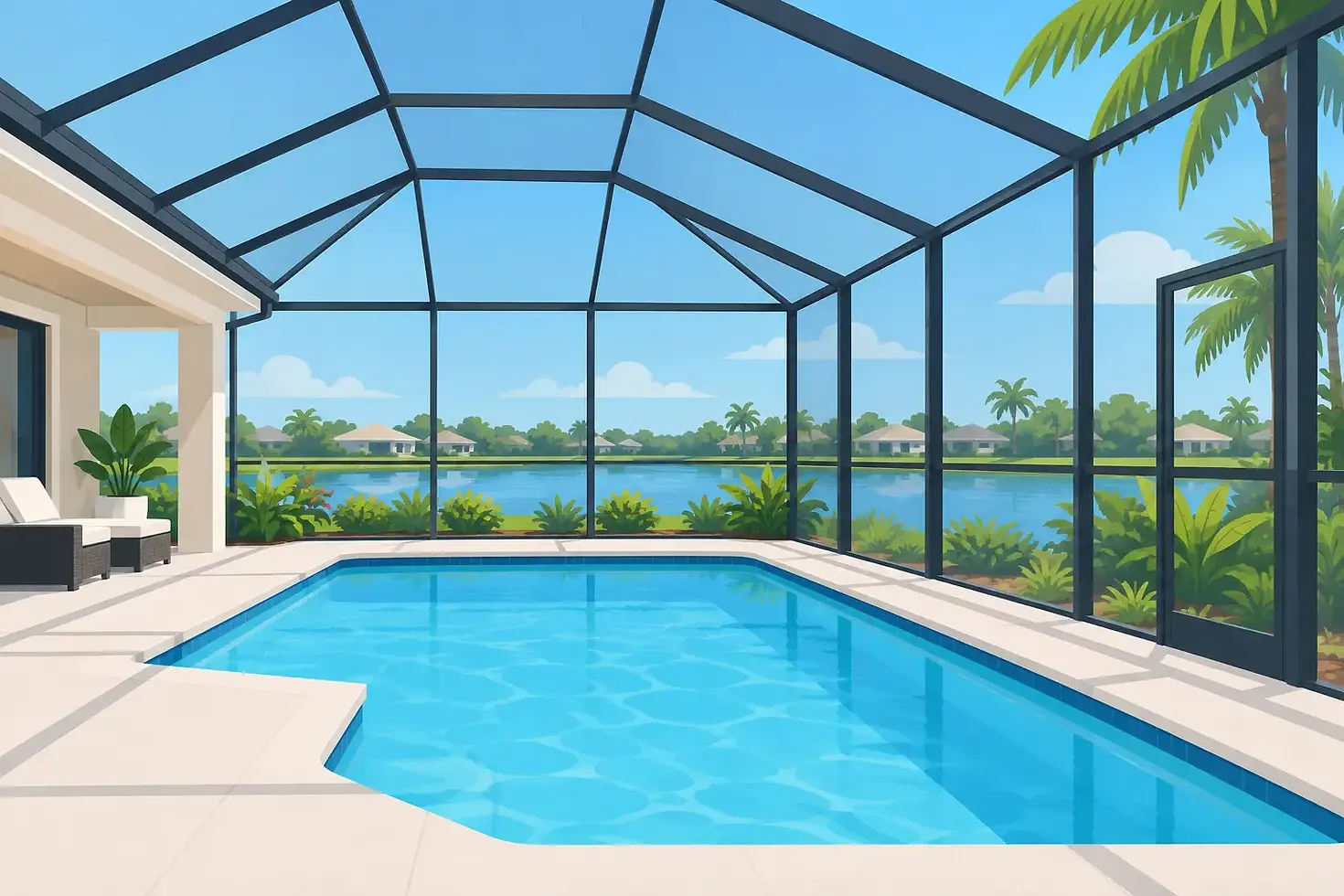
A pool cage can turn a pool area from a place you clean constantly into a space you actually enjoy. It keeps out mosquitoes, leaves, and windblown debris while giving your family more comfortable time outdoors. But how much does a pool cage cost in Florida? For most homeowners, the answer depends less on a single price list and more on the size, height, design, materials, and condition of the area around the pool.
A basic pool enclosure may start in the high thousands, while a larger custom cage with upgraded framing, panoramic views, or a roof extension can reach well into the tens of thousands. The best way to budget is to understand what changes the price - and what protects the value of your investment over time.
Typical Pool Cage Cost in Florida
For a new pool cage, many Florida homeowners spend roughly $10,000 to $30,000 or more. Smaller, straightforward enclosures with standard screen panels tend to fall toward the lower end of that range. Larger pool decks, two-story enclosures, custom rooflines, and upgraded screen systems increase the total.
A simple screen enclosure around a modest patio or pool area may cost less than a full custom pool cage. At the other end, a large enclosure designed around an expansive deck, outdoor kitchen, or wide open water view may exceed $30,000. Structural changes, demolition of an old enclosure, and permit requirements can also add to the project total.
These ranges are helpful for early planning, but they are not a substitute for an on-site estimate. Two homes with pools of similar size can have very different enclosure costs because the existing slab, layout, access, roof connection, and local code requirements are rarely identical.
What Affects How Much a Pool Cage Costs?
The enclosure itself is only one part of the project. A reliable quote accounts for how the cage will fit your home, pool deck, and daily use of the space.
Size and height of the enclosure
More square footage requires more aluminum framing, more screen, and more installation time. Height matters, too. A tall pool cage can make the area feel more open and provide room for a dramatic roofline, but it requires additional structural planning and materials.
A compact enclosure around a small pool deck will usually cost less than one that covers a pool, spa, seating area, and outdoor dining space. It is worth thinking beyond the pool itself. If you regularly entertain or want room for lounge chairs, a larger footprint may bring more value than the lowest possible upfront price.
Screen type and upgrades
Standard fiberglass screening is a practical choice for many enclosures, but homeowners can select stronger or more specialized options. No-see-um screen uses a tighter weave that helps block tiny biting insects common in Florida. Pet-resistant screen can be a smart choice for households with dogs or cats that lean or scratch against lower panels.
Privacy screen, solar screen, and upgraded mesh can improve comfort in the right areas, although they may reduce airflow or visibility. The right choice depends on what bothers you most: insects, glare, privacy concerns, pet damage, or debris. A good contractor can recommend where upgrades make sense without overspending on materials your enclosure does not need.
Aluminum framing and roof design
The frame is the backbone of a pool cage. Strong, properly installed aluminum framing helps the enclosure stand up to daily weather exposure and Florida's heavy rain, wind, and sun. Wider spans, custom angles, attached roof sections, and specialty designs require more labor and engineering than a simple layout.
Panoramic or picture-window openings are popular because they reduce the number of vertical posts and preserve a cleaner backyard view. They can be a worthwhile upgrade for homeowners overlooking a lake, wooded area, or landscaped yard, but the larger openings require stronger framing and generally raise the project cost.
Existing conditions and site access
A level, accessible pool deck makes installation easier. Tight side yards, landscaping that must be protected, uneven slabs, old footings, and limited equipment access can add labor. If an existing cage is damaged or outdated, removal and disposal should also be included in the estimate.
Do not overlook the condition of the concrete where the enclosure will be anchored. Cracked or deteriorating deck areas may need attention before a new structure is installed. Addressing that early is usually better than building around a problem that could affect the enclosure later.
Permits and local building requirements
Pool cages are structural additions, not just screen panels. Depending on the project and municipality, permits, plans, inspections, and engineering may be required. Those items can affect both cost and timeline.
Professional installation matters here. A properly permitted enclosure is built with the local requirements in mind, which helps protect your home and can prevent headaches if you sell in the future. It is also especially important in Central Florida, where weather conditions demand careful attention to fastening, framing, and drainage around outdoor structures.
New Pool Cage vs. Pool Cage Repair
Replacing an entire cage is not always necessary. If the aluminum frame is stable and the damage is limited to torn, loose, or weathered mesh, screen repair or rescreening can restore the enclosure at a much lower cost.
Small screen repairs may cost a few hundred dollars, depending on the number and location of damaged panels. A full rescreen of an existing pool cage often ranges from several thousand dollars upward, based on enclosure size and the type of screen selected. No-see-um mesh and other premium options cost more than standard material, but they can improve comfort for homeowners dealing with persistent insect problems.
Replacement becomes more sensible when the frame has corrosion, bent members, loose anchors, significant storm damage, or repeated screen failures caused by an aging structure. In those cases, putting money into one repair after another may only delay a larger project. An honest inspection should help you understand whether repair is the practical choice or whether a new enclosure will deliver better long-term value.
How to Get a Useful Pool Cage Estimate
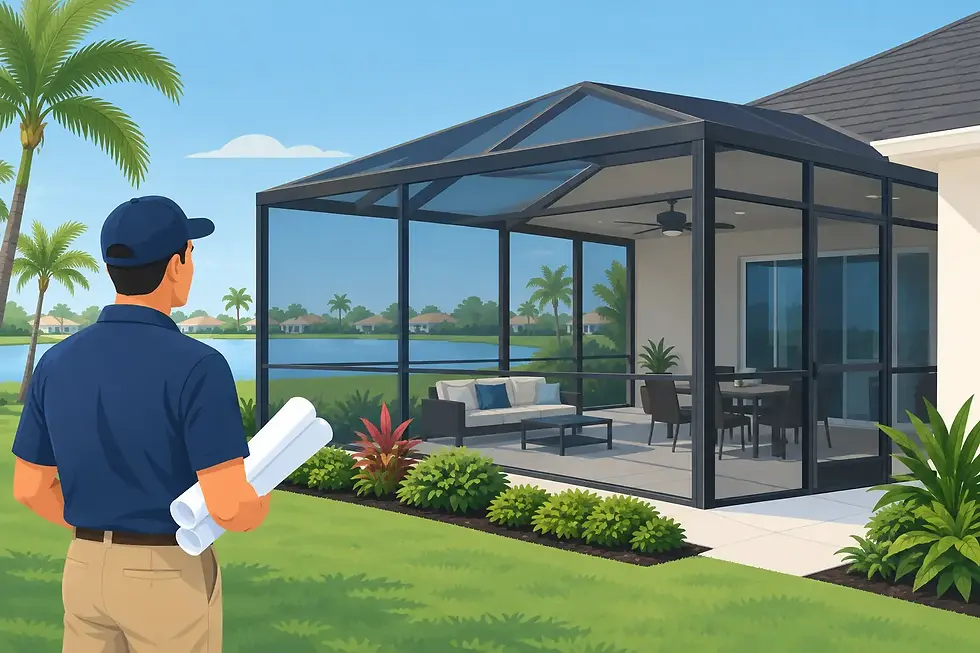
The lowest number on a quote is not always the best value. A meaningful estimate should explain the scope of work clearly: the enclosure dimensions, frame design, screen type, removal of existing materials if needed, permit responsibilities, and any anticipated site work.
Before requesting quotes, consider how you want to use the space. Do you need better protection from no-see-ums? Are falling leaves making pool maintenance frustrating? Would a covered patio section give you more shade for meals and family gatherings? These details help shape an enclosure around your lifestyle instead of treating every backyard the same.
It also helps to ask about workmanship, material quality, and communication during the project. A pool cage is visible from your home every day. Clean lines, secure screens, properly fitted doors, and careful work around your pool deck make a real difference in how the finished space looks and feels.
Is a Pool Cage Worth the Cost?
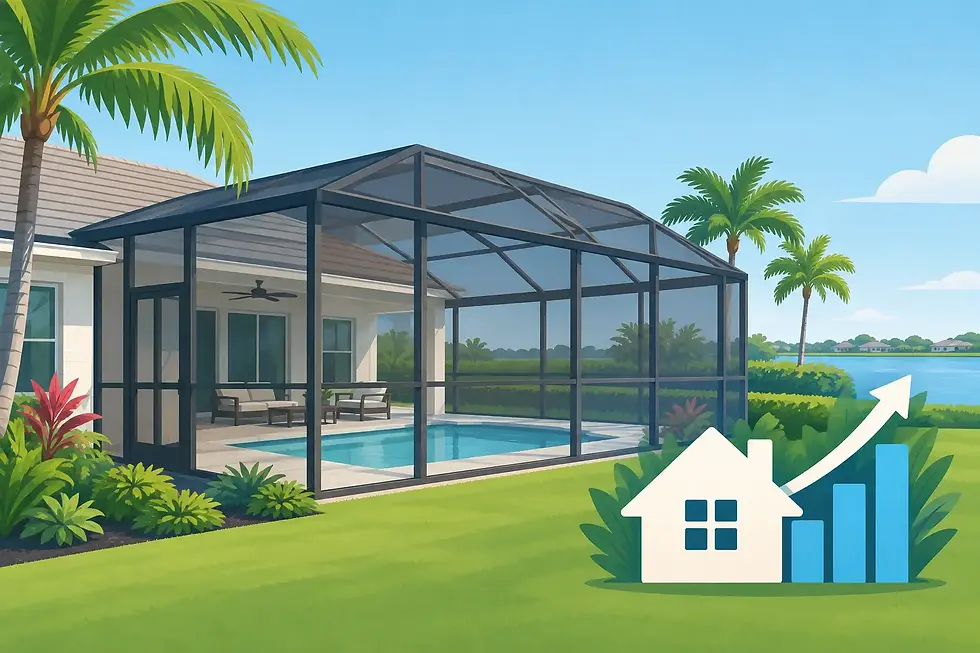
For many Florida homeowners, a pool cage is less about adding a feature and more about getting their backyard back. Less debris can mean less time skimming the pool. Fewer mosquitoes can mean more relaxed evenings outside. A protected enclosure can also help define the pool area as a comfortable extension of the home.
There are trade-offs. An enclosure changes the open-air look of the yard, and premium features can increase the budget quickly. Still, when the design fits the home and is built with durable materials, the improvement can make everyday outdoor living easier for years.
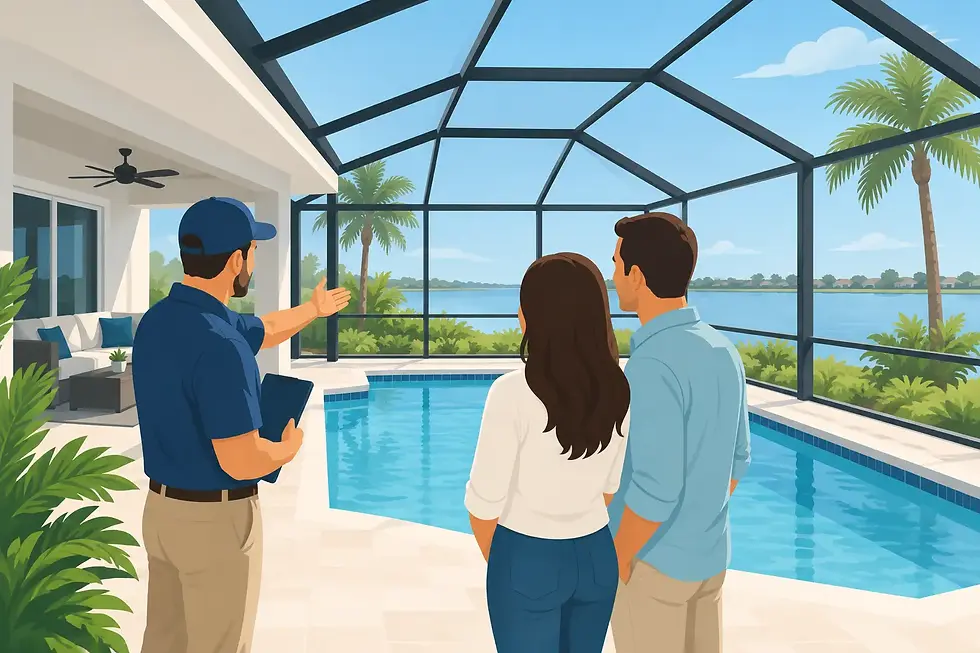
If you are weighing repair against replacement or planning a new enclosure, start with a clear, no-obligation assessment of the space. FM USA Services helps Central Florida homeowners choose practical screen and enclosure solutions that fit their pool area, budget, and the way they want to enjoy their backyard.
Comments