

Patio Cover Installation Florida Homeowners Trust

The right patio cover changes how often you use your backyard. Instead of rushing inside when the afternoon sun gets too strong or clearing leaves before every get-together, you gain a shaded place to relax, eat, and spend time with family. For patio cover installation Florida homeowners should plan around more than appearance. The cover needs to handle intense sun, heavy rain, humidity, and the wind that comes with Florida storms.
A well-built cover can make an existing patio feel like a true extension of the home. The best choice depends on how you use the area, whether it connects to a pool or lanai, and how much protection you want from sun, rain, insects, and debris.
Start With How You Want to Use the Patio
Before choosing a roof style or material, think about the moments the cover needs to support. A small seating area may only need dependable afternoon shade. A larger patio used for cookouts, family dinners, or poolside entertaining may need wider coverage and room for outdoor furniture, fans, lighting, or a grill area.
Sun direction matters just as much as patio size. A cover that looks good on paper may not provide enough shade during the hottest part of the day if it does not account for the western sun. A contractor should look at the home's orientation, roofline, drainage path, and the existing slab before recommending a design.
It also helps to decide whether you want a stand-alone cover or a structure tied into the home. An attached patio cover often creates a more finished look and direct access from the house. A freestanding cover can work well over a separate pool deck, outdoor kitchen, or backyard seating area. Each option has different structural and permitting considerations.
Patio Cover Installation in Florida Means Planning for Weather
Florida weather asks more of an outdoor structure. Strong sunshine can make an uncovered patio uncomfortable for much of the day. Sudden downpours can send water toward the house or pool deck if drainage is not planned correctly. Wind exposure is another reason to avoid treating a patio cover as a simple add-on.
A quality installation begins with a careful look at the foundation and attachment points. The cover must be properly secured, and its roof pitch should move rainwater away from the home and patio. Gutters and drainage details may seem minor, but they can make a major difference in preventing splashback, pooling water, and messy runoff around the slab.
Local building requirements are also part of the process. Permit needs can vary by municipality, project size, and whether the cover is attached to the home. A reliable contractor helps homeowners understand what applies to their project instead of making assumptions that can create delays later.
Choose Materials for Shade, Strength, and Upkeep
Most homeowners want a patio cover that looks clean, holds up well, and does not demand constant maintenance. Aluminum is a popular choice for Central Florida patios because it is durable, lightweight, and well suited to moisture-heavy conditions. It can provide solid shade without the upkeep associated with some traditional materials.
Insulated roof panels are worth considering when heat reduction is a priority. Their added thickness can help limit the radiant heat felt below the cover, making the space more comfortable during hot afternoons. They can also reduce the sound of rain compared with thinner roof systems. The trade-off is typically a higher initial investment, but the added comfort may be valuable for a patio used year-round.
Lattice or open-style covers offer a lighter look and partial shade. They can be attractive in the right setting, but they will not provide the rain protection or sun coverage of a solid roof. For homeowners hoping to use the patio during summer storms or keep furniture dry, a solid patio cover is usually the more practical choice.
Color and finish should complement the home rather than compete with it. A clean white or bronze frame can work with many Florida exteriors, while the final selection should consider the home's trim, roof color, and nearby screen enclosure. The goal is a structure that feels like it belongs there.
Consider a Patio Cover and Screen Enclosure Together
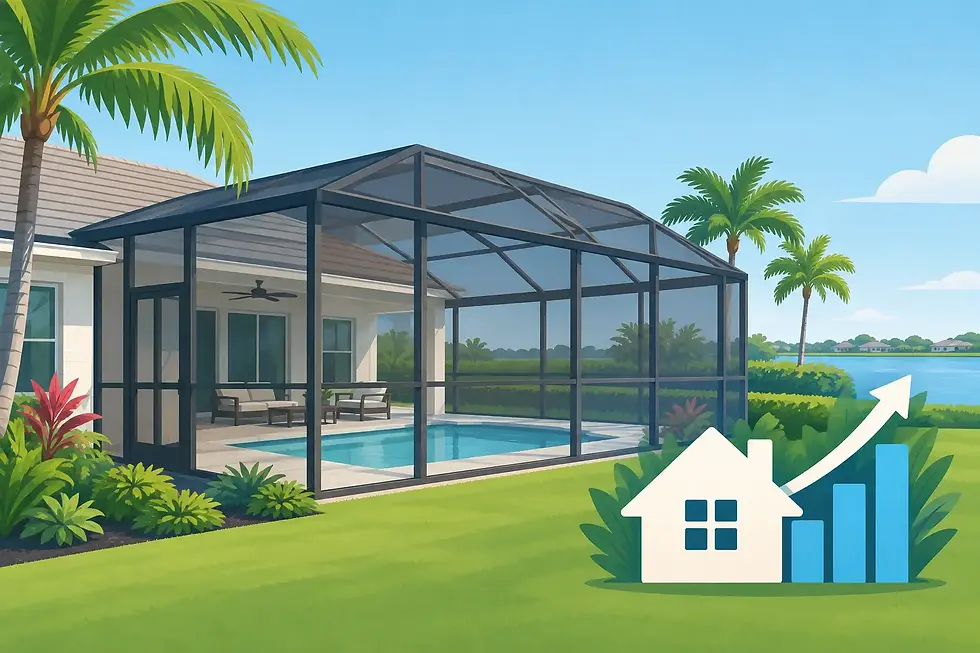
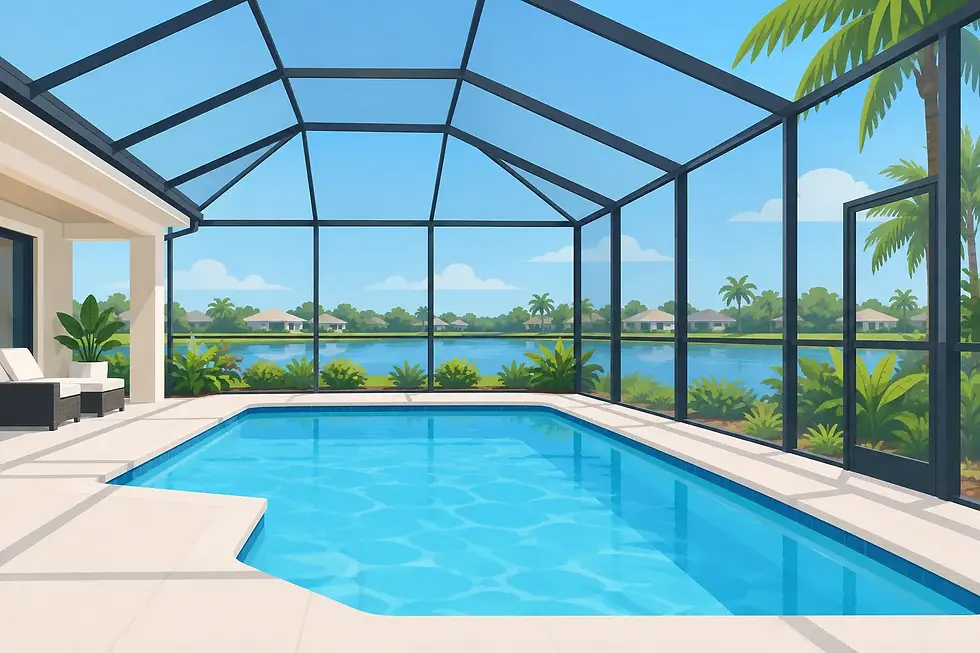
A patio cover solves the sun and rain problem. Screening addresses another everyday Florida concern: mosquitoes, no-see-ums, windblown leaves, and pool debris. When the patio sits beside a pool or opens to a backyard with mature trees, combining the two can create a much more usable outdoor room.
This does not mean every patio needs to be fully enclosed. Some homeowners prefer an open covered space for grilling and airflow. Others want a screened lanai where children can play, guests can eat, and the family can sit outside in the evening without swatting bugs.
The right choice depends on lifestyle. If you already have a screen enclosure with torn panels, bent framing, or an aging roof section, repairs or an upgrade may be a smarter first step than building a separate cover. An experienced outdoor-living contractor can assess whether your existing structure can be restored, expanded, or integrated into a new design.
Avoid Common Patio Cover Planning Mistakes
The lowest quote is not always the lowest long-term cost. A cover that is poorly anchored, undersized for the patio, or designed without proper water management can lead to frustration and additional expense. Homeowners are better served by comparing what each proposal actually includes, not just the final number.
Ask about the material type, attachment method, roof drainage, expected timeline, permit handling, and cleanup. You should also be clear about what is not included. For example, electrical work for ceiling fans or lighting may need to be planned separately, and moving existing furniture or landscaping may affect the schedule.
Another common mistake is building only for today's needs. If you expect to add a screen room, outdoor kitchen, or larger seating area later, mention that during the design conversation. Planning for future use can help avoid a layout that feels cramped or difficult to expand.
What a Professional Installation Should Feel Like
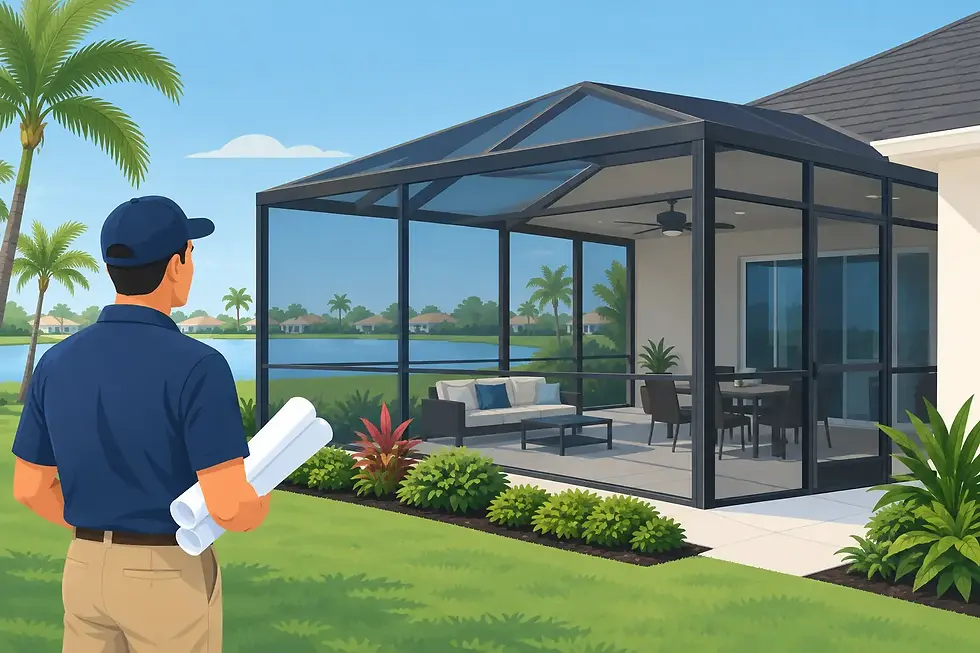
A patio cover project should not leave you guessing about the next step. From the first estimate through final cleanup, communication matters. You should know the proposed design, approximate schedule, required approvals, and what access the crew will need during construction.
Good workmanship shows in the details: straight lines, secure connections, tidy trim, thoughtful roof transitions, and a finished appearance that matches the home. The work area should be respected, and the completed cover should feel solid, clean, and ready to use.
For homeowners in Lake, Orange, Seminole, and Osceola counties, local experience is especially valuable. Florida homes and outdoor spaces vary widely, from compact patios in newer communities to larger pool decks and lanais. FM USA Services approaches each project as a custom improvement, with the goal of creating dependable shade and protection that fits the way your household lives outdoors.
A Better Outdoor Space Starts With the Right Fit
The best patio cover is not necessarily the largest or most elaborate one. It is the one that gives your family a comfortable place to gather, protects the area you already enjoy, and stands up to Florida weather with confidence. A thoughtful on-site evaluation can turn a hot, underused patio into one of the most inviting parts of your home.
Before the next stretch of summer heat or rainy-season afternoons arrives, take a fresh look at the space outside your door. A free, no-obligation estimate can help you see what is possible and choose a patio cover built for the comfort you want every day.
Comments